Epoxy has transformed amateur boat building as it allows less precise joints to be filled with gloop that is stronger than the wood and good results achieved. Additionally thin cloth can be used to sheath the wood adding strength. The whole structure can then be encapsulated in more epoxy. The amateur quickly gets a strong, light boat that can last for a long time.
However for repairing boats it has its limitations.
Case 1
Because I had some and familiar with its use I repaired my 1967 Gull with epoxy. This worked fine where I had used fibre replacement but where I had just used it as a filler it has overtime cracked. I later found out that the epoxy is much stiffer than the original polyester and the boat flexes and but the epoxy doesn’t and therefore at the bond line cracks.
What I do now: I use premixed polyester filler – just DIY stuff and polyester resin and chopped strand mat as required.
Case 2
My wooden Streaker had a bit of an issue where the mast goes through the deck and over winter I repaired the area locally coating with epoxy. At the start of the season, rigging the boat, I dinged the corner of the hole with the mast foot. There was a clear crack into the wood but I did nothing about it. The boat is left outside all season, with a good cover on, but within weeks black wood developed around the crack and got progressively worse as the season progressed. I believe that water had got under the surface of the epoxy, was unable to escape and then rotted the wood. I repaired the area using epoxy only as a glue and had no further problems for the many additional years I owned the boat for
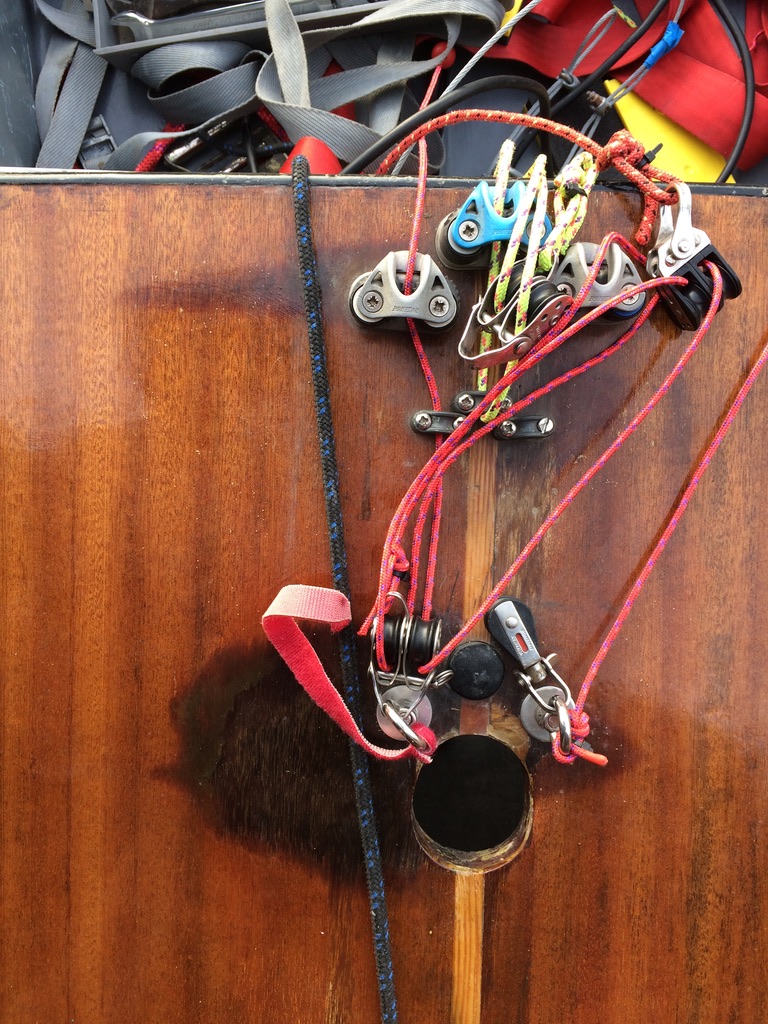
The Damage
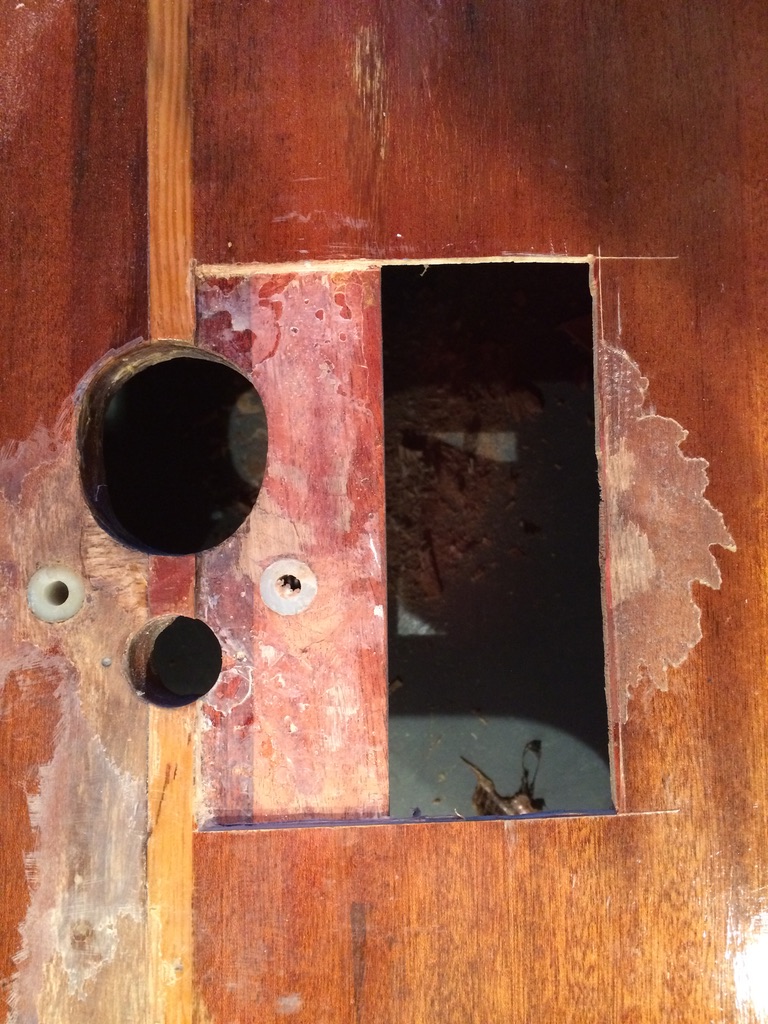
Once I had removed all the damaged wood
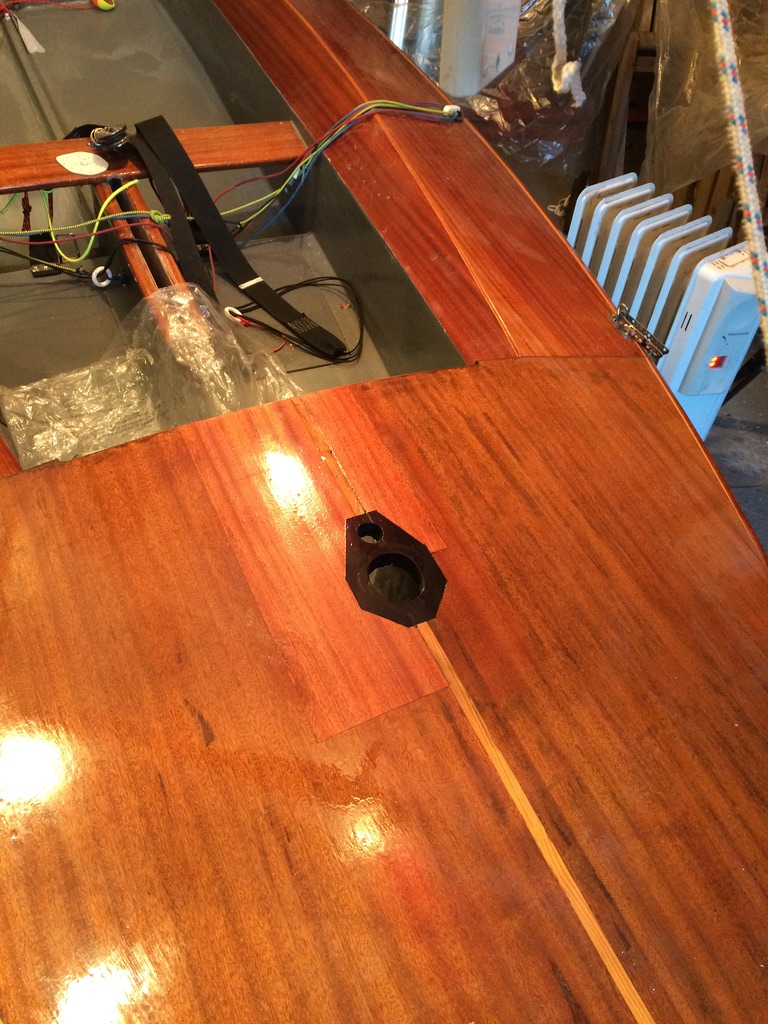
The repair lasted years – the black area is a Tufnol insert so robust against knocks
What I do now: use the epoxy as a glue only and varnish of the top. I have done many repairs this way that have stood the test of time. Epoxy should not be used for partial coating.

